Beyond Lower Energy, Puerto Rico Weatherization Program Creates Lasting Economic Benefits for Communities
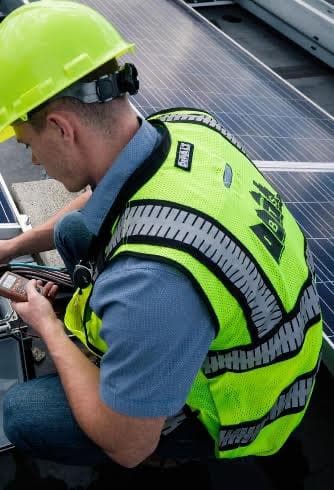
The Institute for Building Technology and Safety (IBTS), a nonprofit organization that works to strengthen communities, has completed a major phase of the U.S. Department of Energy’s Weatherization Assistance Program (WAP) in Puerto Rico, delivering energy efficiency improvements to more than 100 low-income households.
This initiative shows how federal investments can deliver measurable economic and social benefits for communities.
Acting as the program’s operational manager and strategic coordinator of WAP, IBTS worked alongside the Puerto Rico Department of Economic Development and Commerce (DDEC), through its Energy Public Policy Program (PPPE), to oversee the implementation of federal funds aimed into meaningful energy efficiency, health, and safety improvements for vulnerable households and communities across the Island. IBTS wors to
More than a home weatherization initiative, the program reflects a growing focus on energy affordability as a key economic issue for Puerto Rico. By prioritizing low-income families, older adults, and individuals with disabilities, the program helped reduce the energy burden faced by some of Puerto Rico’s most vulnerable populations. It improves home energy efficiency and addresses health and safety conditions where high electricity costs continue to place pressure on household budgets.
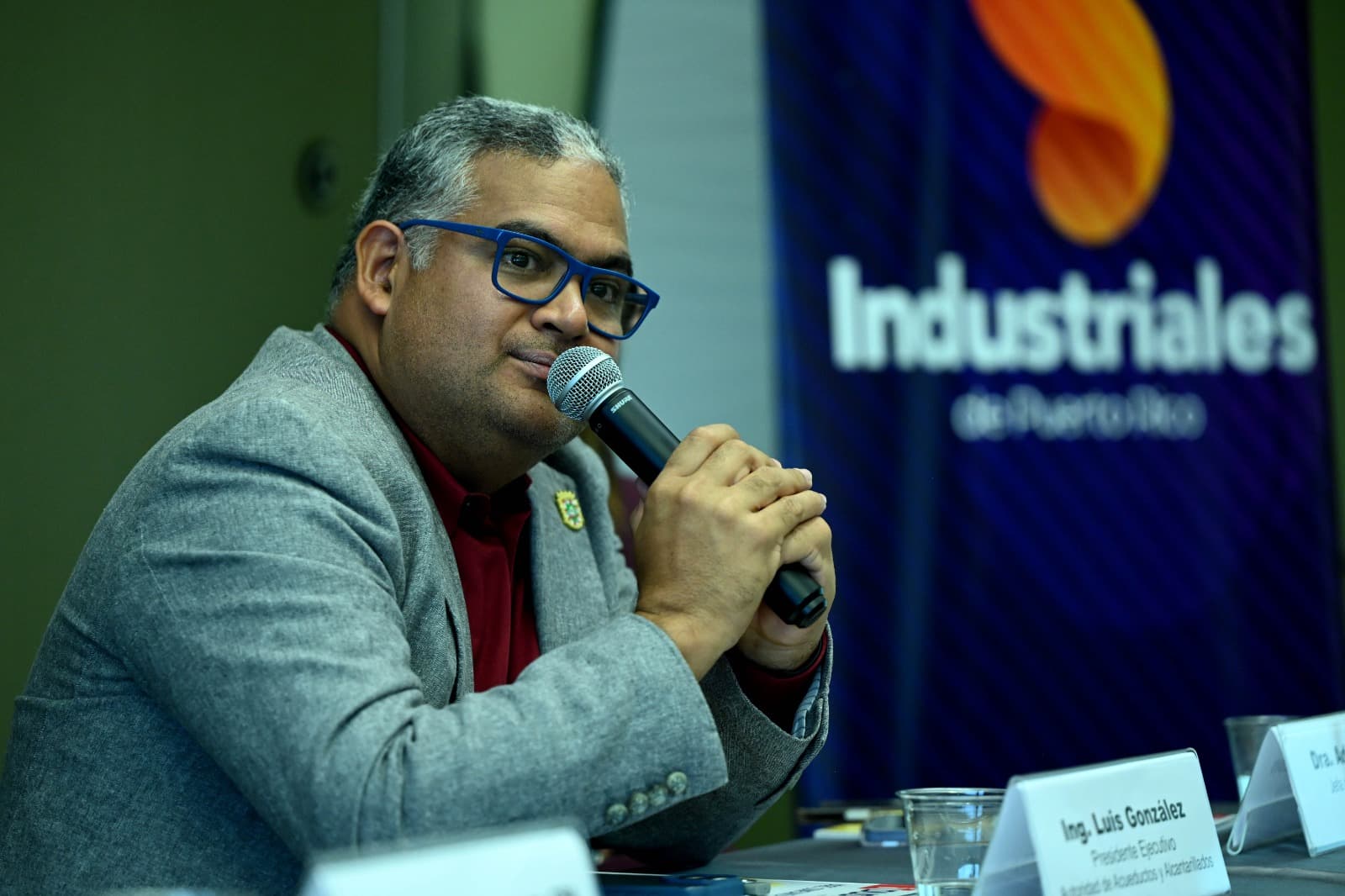
“This program demonstrates what is possible when federal resources are translated into practical, measurable improvements for families and communities,” said Agnes Crespo Quintana, the Caribbean Region Director for IBTS, adding that “IBTS is proud to support DDEC-PPPE in implementing a program that strengthens homes, improves quality of life, and advances energy equity across Puerto Rico”.
Crespo Quintana explained that through strong project management practices, quality assurance measures, compliance oversight, inspections, and rigorous documentation controls, IBTS helped ensure the effective, transparent, and responsible management of federal resources. These efforts supported DDEC-PPPE’s goals of expanding energy affordability, improving household conditions, and delivering meaningful benefits to communities across Puerto Rico.
Beyond direct improvements to individual homes, the program strengthened local capacity by establishing operational procedures, communication frameworks, internal training programs, and innovative solutions that ensured efficient implementation, regulatory compliance, high-quality service delivery, and strong accountability.
In approximately six weeks, the initiative completed improvements in 103 homes across Puerto Rico, surpassing its original goal of 100 households, in approximately six weeks. It also achieved a 98% participant satisfaction rate, reflecting the program’s direct impact on households and the quality of support provided throughout implementation.
“The successful completion of this phase of the WAP reflects our shared commitment to advancing energy solutions that make a tangible difference in the lives of Puerto Rican families,” said Alvin Miranda Colón, WAP Program Manager. “These initiatives will continue to make energy more accessible and affordable while promoting sustainability and strengthening the resilience of our communities,” he added.
Through collaboration among DDEC-PPPE, contractors, auditors, inspectors, technology partners, and participating households, the program strengthened Puerto Rico’s capacity to advance future investments in energy, resilience, housing, and infrastructure. Beyond the immediate improvements delivered to homes, the initiative created lasting value by building institutional knowledge, developing technical capacity, improving operational processes, and enhancing the ability to manage future federally funded programs that support community resilience and economic growth.
“This program demonstrates what can be achieved when the public and private sectors work together toward a common purpose”. “By transforming federal investments into tangible improvements for vulnerable households, we were able to support families, strengthen communities, and advance Puerto Rico’s long-term goals for energy affordability, sustainability, and resilience. We are honored to have contributed to an initiative whose benefits will extend well beyond the duration of the program,” said Judelly Hernández Morales, IBTS Project Manager.
The key benefits for communities and the government are:
- Completed weatherization improvements in 103 low-income households across Puerto Rico, exceeding the original goal of 100 homes.
- Reduced the energy burden for participating low-income households.
- Improved the quality of life for families, older adults, and individuals with disabilities.
- Enhanced home safety and resilience through energy efficiency, health, and safety improvements.
- Advanced government objectives related to energy affordability, sustainability, and community resilience.
- Demonstrated responsible stewardship of federal resources through rigorous compliance, quality assurance, and documentation processes.
The successful completion of this phase of the Weatherization Assistance Program (WAP), operated by IBTS, reflects a collaborative commitment with the public sector to build safer, more resilient communities while delivering measurable benefits that improve the quality of life of Puerto Rican households.