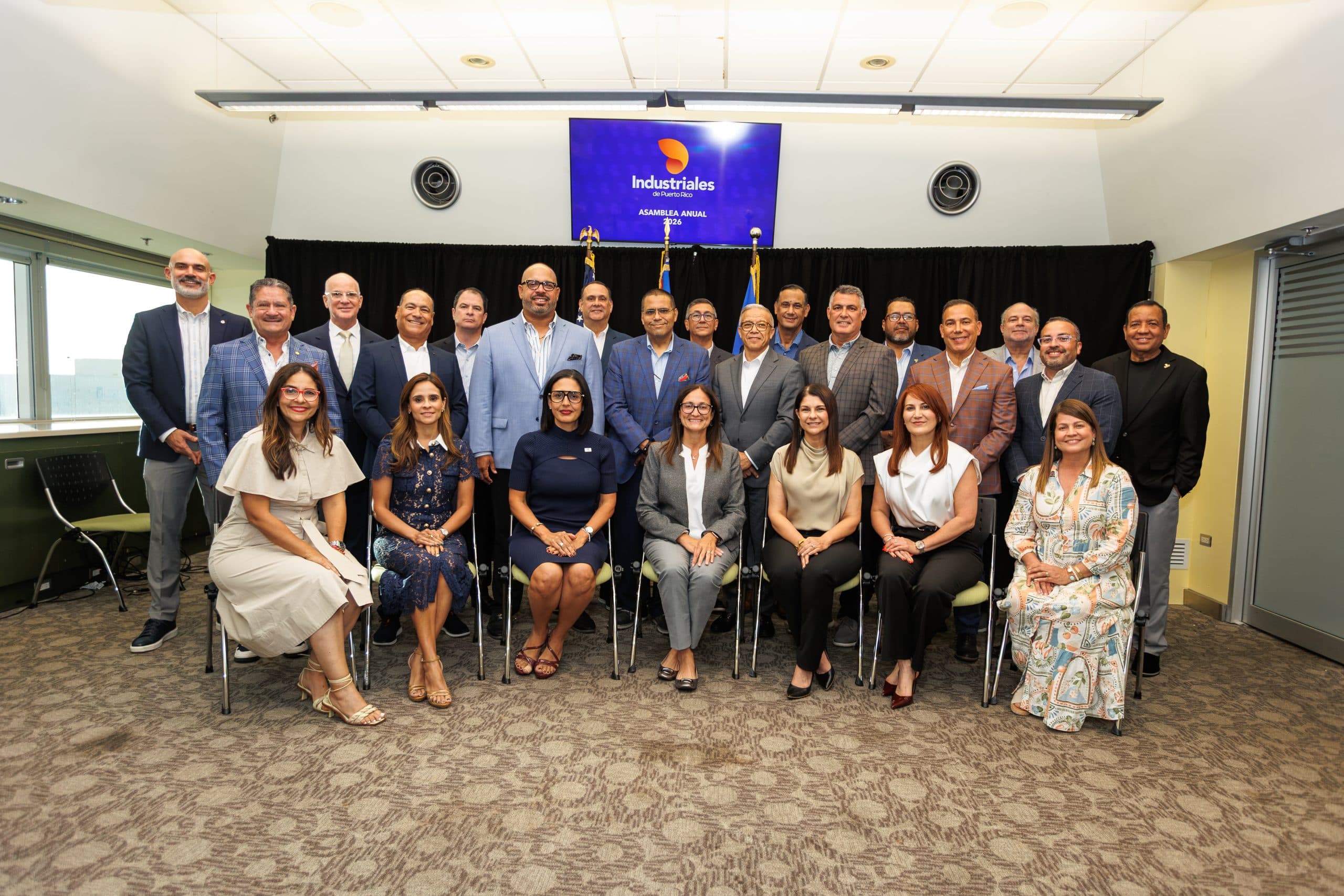
Rafael Vélez Domínguez, president of Atabey Capital, will continue as president of the Puerto Rico Manufacturers Association (Asociación de Industriales de Puerto Rico) for the 2026-2027 term, the organization announced Wednesday alongside the composition of its new board of directors. “The strength of this board lies in the experience, diversity of expertise, and knowledge its […]
Rafael Vélez Domínguez, president of Atabey Capital, will continue as president of the Puerto Rico Manufacturers Association (Asociación de Industriales de Puerto Rico) for the 2026-2027 term, the organization announced Wednesday alongside the composition of its new board of directors.
“The strength of this board lies in the experience, diversity of expertise, and knowledge its members bring. The companies they represent are an essential part of Puerto Rico’s productive fabric and contribute significantly to employment, investment, and economic activity on the island,” Vélez Domínguez said in a written statement.
The executive committee will be composed of Illiette Frontera, of Boston Scientific, as vice president; Rafael Díaz, of RF Maintenance, as vice president of service; Irene Villafañe, of Amgen, as vice president of foreign industries; and Luis Alemañy, of SJT Manufacturing, as vice president of Puerto Rican industries. Kenneth Rivera Robles, of FPV & Galíndez LLC, will serve as secretary, while Fernando Rodríguez, of Prime Janitorial Service Corp., will serve as treasurer.
The board includes representatives from the pharmaceutical, biotechnology, medical device, aerospace, human capital, transportation, engineering, finance, telecommunications, energy, textile, and agribusiness sectors. It also includes regional directors from the island’s north, south, metro, west-metro, east-metro, east-central, and west zones: Marco Miranda, Carlos Bonilla, Carlos Ceinos, Peter Santiago, Harold Nadal, Carlos Rodríguez, and Víctor García.
Sector representatives named to the board include Liz Annette Pérez, Vivienne Henry, Luis Vargas Rodríguez, Melissa Rivera, Joan Puig Serbia, Eugenio Vives, Denisse Flores, Enrique Ortiz de Montellano, Jesús Bolinaga, Humberto Zacapa, Marisol Villalobos Rivera, and Cindy Cardona. Carlos Rodríguez, president of Vieques Air Link, will join the board as past president.
“The Manufacturers Association will continue promoting constructive dialogue and collaboration among the private sector, government, and academia. The diversity of experience and knowledge represented on this board strengthens our ability to drive initiatives that improve competitiveness, encourage investment, and support sustainable development in Puerto Rico,” said the organization’s executive vice president, Karen Mojica Franceschi.
According to the association, it groups nearly 1,000 companies that together represent more than 62% of Puerto Rico’s Gross Domestic Product. The new board will oversee the organization’s agenda on investment, productive capacity, talent development, infrastructure, and innovation. Puerto Rico Supreme Court Associate Justice Camille Rivera Pérez swore in the board’s members.
Why it matters
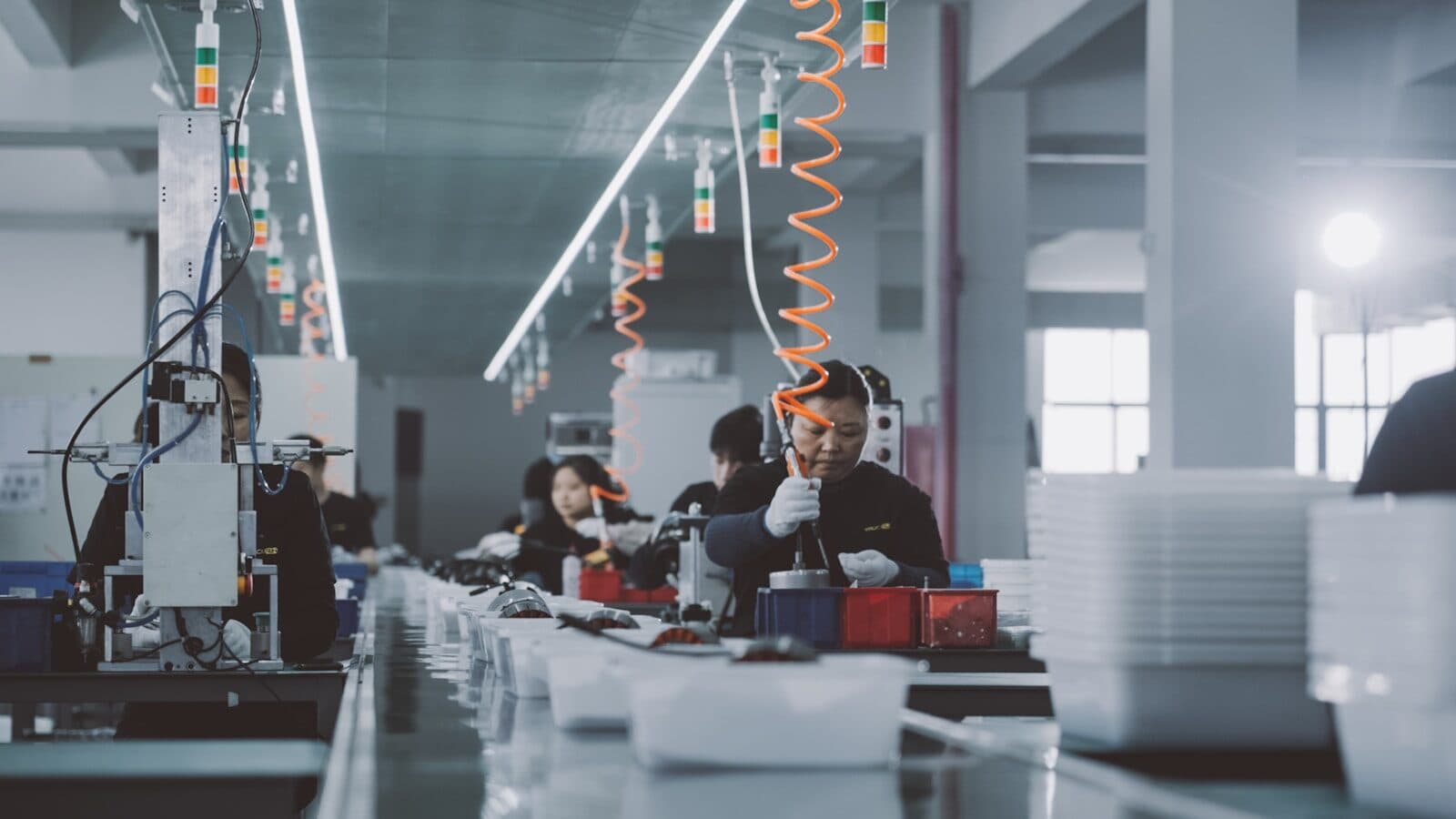
Trade groups like the Puerto Rico Manufacturers Association wield significant influence because manufacturing is one of the island’s most important economic sectors. In fiscal year 2024, the sector accounted for roughly 44% of Puerto Rico’s GDP, led overwhelmingly by the pharmaceutical industry, which alone generated nearly 30% of the island’s economic output. Puerto Rico also remained the leading pharmaceutical manufacturing and exporting jurisdiction in the United States. Pharmaceutical products represented 74% of the island’s exports in fiscal 2024—$48.3 billion of a total $65.4 billion—followed by medical devices, electronics, and chemical products.
This concentration of economic activity among a relatively small group of major manufacturers helps explain why the association carries considerable influence in debates over tax policy, energy costs, permitting, workforce development, and infrastructure. Decisions affecting just a handful of its largest member companies can have ripple effects on employment, investment, and exports across Puerto Rico, giving the organization a prominent voice in policies that shape a substantial share of the island’s economy.