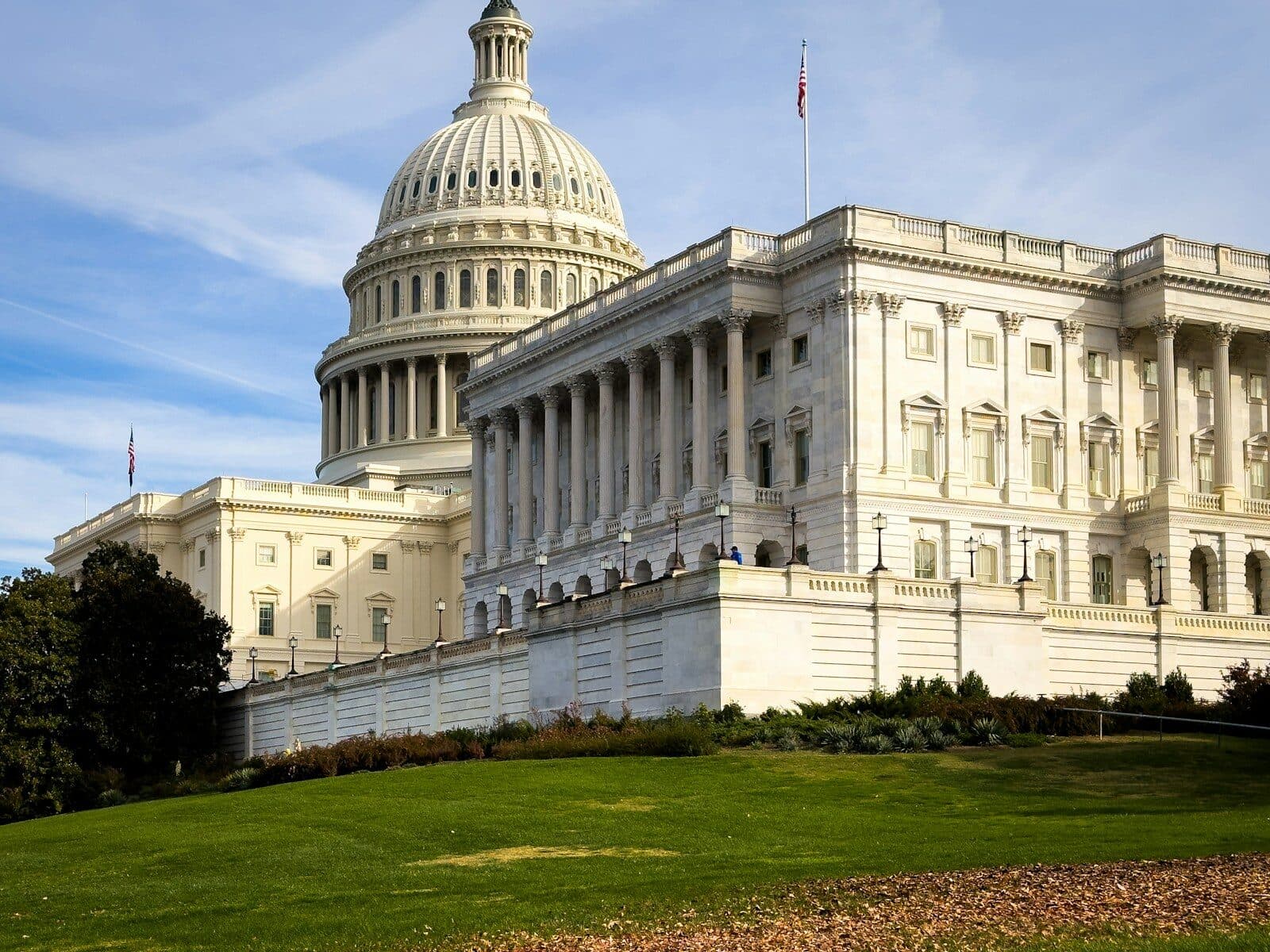
Resolution would keep the federal government funded until December
Puerto Rico Resident Commissioner Pablo José Hernández said Tuesday that the stopgap federal funding measure approved in the U.S. House of Representatives offers short‑term protection for essential services on the island but leaves major local projects in a state of uncertainty.
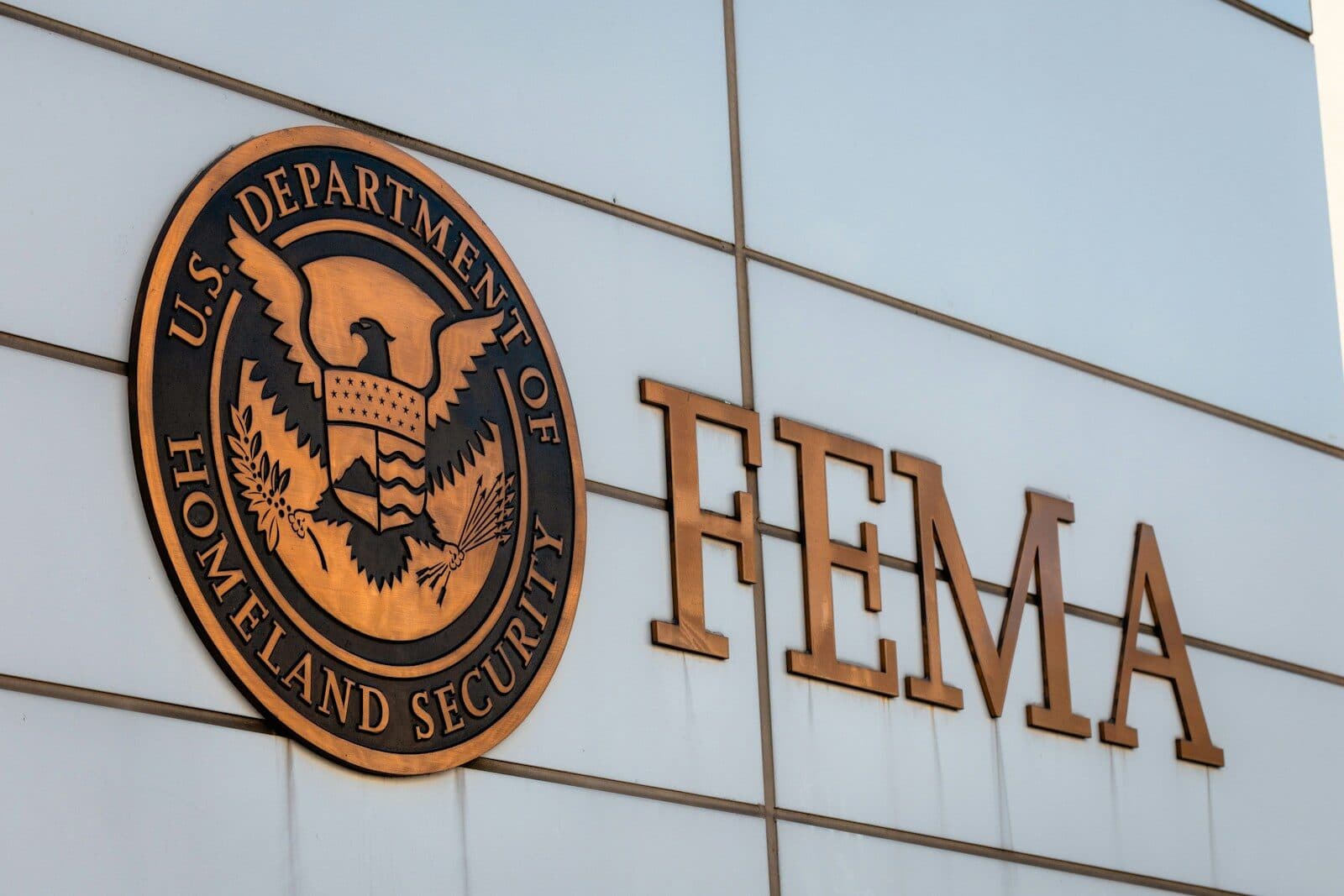
The continuing resolution, passed 220–205 along party lines, would keep the federal government funded through December 4, 2026, averting a shutdown and allowing agencies to continue operating at prior‑year spending levels. Hernández said in a statement the measure ensures uninterrupted support for the Nutritional Assistance Program (PAN), the Women, Infants and Children Program (WIC), and ongoing disaster‑recovery efforts. It also allows the Federal Emergency Management Agency (FEMA) to maintain the pace of reconstruction financing.
“This resolution protects, for the moment, the continuity of essential programs for Puerto Rico and avoids the consequences of a government shutdown,” Hernández said. “But we cannot lose sight that it is a temporary solution. Without a full budget, projects I secured, like the investment in the Castañer General Hospital and the modernization of the Toa Baja Municipal Police, remain in uncertainty.”
The House vote came as Republican leaders sought to neutralize the threat of a shutdown ahead of the November midterm elections, framing the measure as a proactive step to prevent Senate Democrats from blocking funding. Last year, Senate Democrats allowed funding to lapse for 43 days in protest over expiring healthcare tax credits, and twice more this year to push for changes in immigration enforcement.
“Our conference refuses to let the obstruction and inaction of Senate Democrats trigger another manufactured shutdown,” said House Appropriations Chair Tom Cole.
The stopgap bill now heads to the Senate, where bipartisan support will be required to avoid a lapse in funding. But Senate leaders from both parties remain far apart on spending levels, and the chamber has yet to advance any of its 2027 appropriations bills through committee—leaving negotiations stalled as the fiscal year approaches on October 1.
Democrats in the House criticized the Republican measure as rushed and incomplete. Ranking Appropriations Member Rosa DeLauro called the bill “hastily conceived,” arguing that it expands funding for border enforcement without reforms and fails to provide clarity on what agencies need to operate through December.
Beyond Washington’s political maneuvering, the implications for Puerto Rico are concrete. Continuing resolutions typically freeze spending at prior‑year levels, restrict new initiatives, and slow the release of grants to municipalities, agencies, and nonprofits—conditions that could affect reconstruction timelines and local investment, he said.
The new December 4 deadline forces Congress to revisit the budget debate in the coming months, injecting uncertainty into federal programs and local projects alike. For Puerto Rico, Hernández said, the temporary measure buys time but not stability.